
Is Advertising Expense An Operating Expense?

From an accounting perspective, the allocation of these costs over time can significantly impact financial statements and managerial decision-making. For instance, the method chosen for allocating period costs can affect the reported profitability of a company in a given period. From a managerial standpoint, understanding the impact of time on cost allocation is crucial for budgeting, forecasting, and strategic planning. Additionally, the allocation of costs is different for product costs and period costs. Product costs are allocated to the products themselves, based on the concept of cost of goods sold and inventory valuation.
Comparison to Product Costs

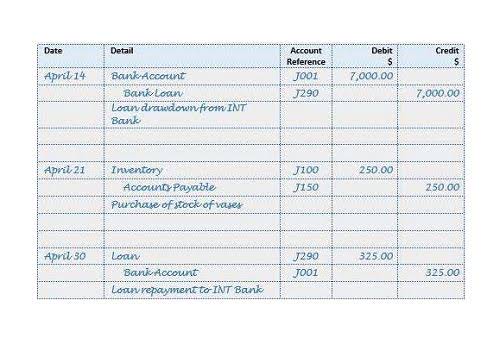
By identifying and categorizing these costs, organizations can gain insights into their profitability and make informed decisions. When preparing financial statements, companies need to classify costs as either product costs or period costs. We need to first revisit the concept of the matching principle from financial accounting. When a company spends money on an advertising campaign, it debits advertising expense and credits cash. The short answer, and one that might initially surprise you, is that advertising is almost universally treated as a period cost. This means its expense is recognized in the same accounting period in which it is incurred.
- Since 2014, she has helped over one million students succeed in their accounting classes.
- They are incurred during an accounting period regardless of the volume of goods produced or sold.
- So if you sell a widget for $20 that had $10 worth of raw materials, you would record the sale as a credit (increasing) to sales and a debit (increasing) either cash or accounts receivable.
- The timing of these costs can significantly affect a company’s financial performance and reporting.
- Monitoring and controlling administrative expenses is essential for maintaining cost efficiency and overall financial stability.
- We now know that those product costs are direct materials, direct labor and overhead.
Recording and Reporting Period Costs
Examples of period costs include rent, utilities, administrative salaries, advertising, and accounting and legal fees. These costs are expensed immediately on the income statement rather than being included in the costs of goods sold. From the perspective of a CFO, managing period costs is about striking a balance between necessary expenditures and cost-saving measures. For instance, advertising expenses, a common type of period cost, can be substantial, but they are crucial for brand recognition and market penetration. A marketing manager, on the other hand, might argue for increased spending in this area, citing the long-term value of customer acquisition and brand loyalty.
Related Entrepreneurship Terms
Period costs, on the other hand, are allocated to the period in which they are incurred, regardless of the products being produced or sold. Typically, managerial accountant want to classify expenses in categories that can improve operations. Instead, these expenses are attributed to selling and general administrative activities. When recording advertising expenses, companies must ensure that these costs are accurately reflected in their accounting records.
Is advertising an expense or an asset?
In this section, we will explore the accounting entries for period costs and the impact they have on financial statements. The timing of when costs are recognized differs between product costs and period costs. Product costs are recognized when the goods are sold, while period costs are recognized in the period in which they are incurred. Understanding the of period costs is crucial for businesses to Medical Billing Process accurately analyze their financial performance.
Is advertising a period or product cost?
From a short-term perspective, period costs are often seen as fixed and unchangeable. Managers may focus on variable costs when looking to make quick adjustments to improve profitability. For instance, aggressive cost-cutting measures may reduce period costs in the immediate term but can potentially harm the company’s brand or customer service quality, leading to long-term repercussions. For instance, consider a company that launches an extensive advertising campaign in Q1 but does not see what are period costs a revenue increase until Q2. The advertising expense is recorded as a period cost in Q1, aligning with the accrual basis of accounting.
In order to effectively analyze and understand a company’s financial performance, it is crucial to identify and categorize the different of period costs. Period costs are expenses that are not directly related to the production of goods or services, but rather incurred over a specific time period. These costs are considered operating expenses and are deducted from revenue to determine net profit.
By categorizing costs appropriately, businesses can better understand their cost structure, manage expenses, and set prices that cover costs while ensuring ledger account profitability. The strategic allocation of costs can also provide insights into which areas of the business are most cost-intensive and may benefit from cost-saving measures. For instance, a company noticing a significant portion of its expenses are period costs might invest in technology to automate certain administrative tasks, thereby reducing those costs over time.
- Variable costs can be further broken down into direct materials and direct labor costs.
- Our rigorous editorial process includes editing for accuracy, recency, and clarity.
- Now that we have explored the definition, explanation, and examples of period costs, let’s delve into the of period costs in the next section.
- The salaries and wages of administrative staff can vary depending on factors such as job roles, experience, and location.
- By examining these examples, it becomes clear that the method of accounting for period costs must be tailored to the operational realities of each industry.
- These costs are incurred whether production is high or low, and they are not directly tied to the production of goods.
This is because the benefits of advertising are usually short-term, lasting only as long as the advertising campaign is ongoing. The U.S. Small Business Administration notes that many businesses set their marketing budget as a percent of revenue. Business to consumer (B2C) companies generally spend more than business to business (B2B) and service companies spend more than product companies. In a smaller business, it is important to be mindful of the economic entity principle, where the records of the owner are kept separate from those of the business. This means that any advertising expenses relating more to the owner than the business should not be recorded as expenses of the business. Expert guide to accounting reserve account management & fund allocation strategies for businesses, optimizing financial efficiency & growth.
Leave a Reply
Want to join the discussion?Feel free to contribute!